






JOVENEL MOISE: “The Grave Error of Haiti’s [...]
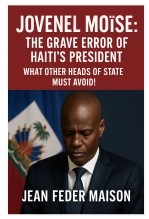
**JOVENEL MOISE: The Grave Error of Haiti’s President, What Other Heads of State Must Avoid** Jovenel Moïse, the late President of [...] Ver libro


In the vibrant heart of Port-au-Prince, the sun cast long shadows over the dusty streets, where the chatter of everyday life intertwined with the dreams of a nation. Jovenel Moïse, a dynamic yet controversial figure, took office as Haiti's president, filled with ambition and determination. He envisioned a brighter future for his country, one that would rise above the struggles of the past and navigate toward progress and stability.
Yet, despite his vision, Moïse faced a labyrinth of challenges. The political landscape in Haiti was a complex tapestry woven with threads of corruption, economic hardship, and strained relationships with various political factions. His confidence in his ability to steer the country through these turbulent waters soon confronted stark realities.
One of Moïse's most significant missteps was his decision to push for sweeping constitutional reforms without adequately consulting the public or other political leaders. This bold move, intended to streamline governance and clarify responsibilities, ignited widespread protests, boiling over into unrest. Many felt alienated, believing that they had no stake in the country's decisions. The lack of a clear dialogue only deepened the divide between the government and the people.
As the unrest escalated, Moïse found himself at a crossroads. He initially sought to quell dissent through firm measures, dispatching police and military forces to handle protests. However, such actions often backfired, leading to violence and further alienation of the very citizens he aimed to serve. The air was thick with frustration, and the cries of the Haitian people echoed across the streets—a desperate plea for transparency, justice, and a voice in their government.
Amidst this chaos, Jean Feder Maison, a seasoned diplomat and political analyst, observed the unfolding drama from a distance. Maison had written extensively on leadership and governance, warning that strong leadership requires not just vision, but also empathy and inclusiveness. With a deep understanding of Haiti’s history, he recognized the critical miscalculations made by Moïse. “The grave error of Haiti’s president,” Maison would later pen, “lies not in ambition, but in the failure to build bridges with the very people he sought to uplift.”
As time passed, international observers began to take notice of the turmoil in Haiti. Countries that once stood by Moïse's side withdrew their support, hesitant to align with a leader who seemed increasingly disconnected from the realities of his constituents. The stability that once appeared within reach slipped further away as the protests grew more organized and the calls for change more urgent.
In this moment of crisis, a light shone through the darkness—citizens began to organize themselves into community forums, discussing their grievances and potential solutions. They sought to reclaim their narrative, demanding representation and accountability from their leaders. Inspired by their resilience, a new sense of hope flickered within the heart of the nation.
Moïse's administration faced a pivotal choice: to continue down the path of resistance or to transform their approach by engaging with these grassroots movements. Listening to their voices could have turned the tide, allowing for a shared vision that bridged divides. But time was of the essence, and the longer he hesitated, the more entrenched the opposition became.
Ultimately, the story of Jovenel Moïse becomes a cautionary tale for leaders around the world. The importance of humility, active listening, and collaboration cannot be overstated. There is profound wisdom in recognizing that true leadership lies not in the pursuit of power, but in the empowerment of people.
As Haiti wrestled with its future, the lessons from this chapter would resonate far beyond its borders—a universal reminder that in governance, openness and dialogue are as vital as any strategy or policy. Through the tribulations faced by Moïse, educators, diplomats, and future leaders would discover the crucial importance of fostering genuine connections with their constituents, heralding a new era of leadership defined not by solitary ambition, but by shared hope and engagement.
Copyright © 2026 


